How to Design a T-Shirt That Actually Represents Your Community


Designing a t-shirt that represents your community starts with identifying shared symbols, colors, and values that your group connects with. From there, work with a reliable t-shirt printing service to translate that vision into a high-quality, wearable design. The most effective community t-shirts are simple, meaningful, and built to last.
There's something powerful about a group of people wearing the same shirt. It signals belonging. It says, without a word, we're in this together. A well-designed community t-shirt can rally a neighborhood, celebrate a team, promote a cause, or mark a moment that people will remember for years.
But designing one that actually resonates—one that people are proud to wear, not just obligated to—takes more thought than picking a color and slapping on a logo. The design process matters. The message matters. The quality matters.
Whether you're organizing a school event, launching a community initiative, representing a local business, or building a movement, this guide walks you through every step of creating a t-shirt that genuinely speaks for your community. And if you're based in Kinshasa, U-Tech Africa offers customized T-shirt printing services that can bring your vision to life with precision and care.
What Makes a Community T-Shirt Design Actually Work?
A community t-shirt works when people feel represented by it—not just included in it. That distinction matters.
The best designs share a few common traits:
Clarity: The message or image is easy to understand at a glance
Relevance: It speaks to something the community genuinely cares about
Simplicity: It's not overcrowded with text, images, or competing elements
Durability: The print holds up after repeated washing
A design that checks all four boxes becomes more than apparel. It becomes a symbol.
How Do You Identify What Your Community Stands For?
Before you open any design software or contact a T-shirt printing company, start with a conversation. Talk to the people you're designing for.
Ask questions like:
What do we all have in common?
What are we proud of?
What words or images represent our shared identity?
Are there local symbols, colors, or phrases that carry meaning for us?
For example, a community football team in Kinshasa might rally around bold national colors, a neighborhood nickname, or a motivational phrase in Lingala. A church group might prefer something subtle and symbolic. A business collective might want something professional and sleek.
The point is: the design should emerge from the community, not be imposed on it. Gathering input early saves you from producing something that feels generic or, worse, off-key.
What Are the Key Elements of a Strong T-Shirt Design?
Once you know what your community stands for, you can start building the visual language of your design. Here are the core elements to consider:
How Should You Choose Colors for a Community T-Shirt?
Color carries meaning. It sets the emotional tone of the design before anyone reads a single word.
A few guidelines:
Limit your palette to two or three colors to keep the design clean
Consider the color of the shirt itself as part of the design
Use contrast strategically—dark ink on light shirts, light ink on dark shirts
Where relevant, incorporate community or local colors that carry cultural significance
For customized T-shirt printing in Kinshasa, U-Tech Africa can advise on which color combinations print most vividly on different fabric types, so your final product looks exactly as intended.
What Typography Works Best for Community T-Shirts?
Text on a t-shirt needs to be legible from a distance. That rules out thin, decorative fonts for anything that needs to be read quickly.
Best practices for typography:
Use bold, clean typefaces for key phrases or names
Avoid using more than two different fonts in a single design
Make sure text is large enough to read from at least three meters away
Consider the hierarchy—what do you want people to read first?
If your design includes a phrase in a local language, double-check the spelling and meaning before sending it to print. Once it's on 200 shirts, there's no going back.
How Do You Choose the Right Imagery or Logo?
Imagery tells the story that words sometimes can't. For community t-shirts, consider:
Custom illustrations that reflect local culture, landmarks, or identity
Simplified logos that work at small sizes without losing detail
Icons or symbols with shared meaning for your group
Avoiding complex, photographic images—these often lose quality when printed on fabric
If you don't have a designer in-house, U-Tech Africa's T-shirt printing service in Kinshasa includes design support to help you refine your concept into a print-ready file.
How Do You Choose the Right Placement for Your Design?
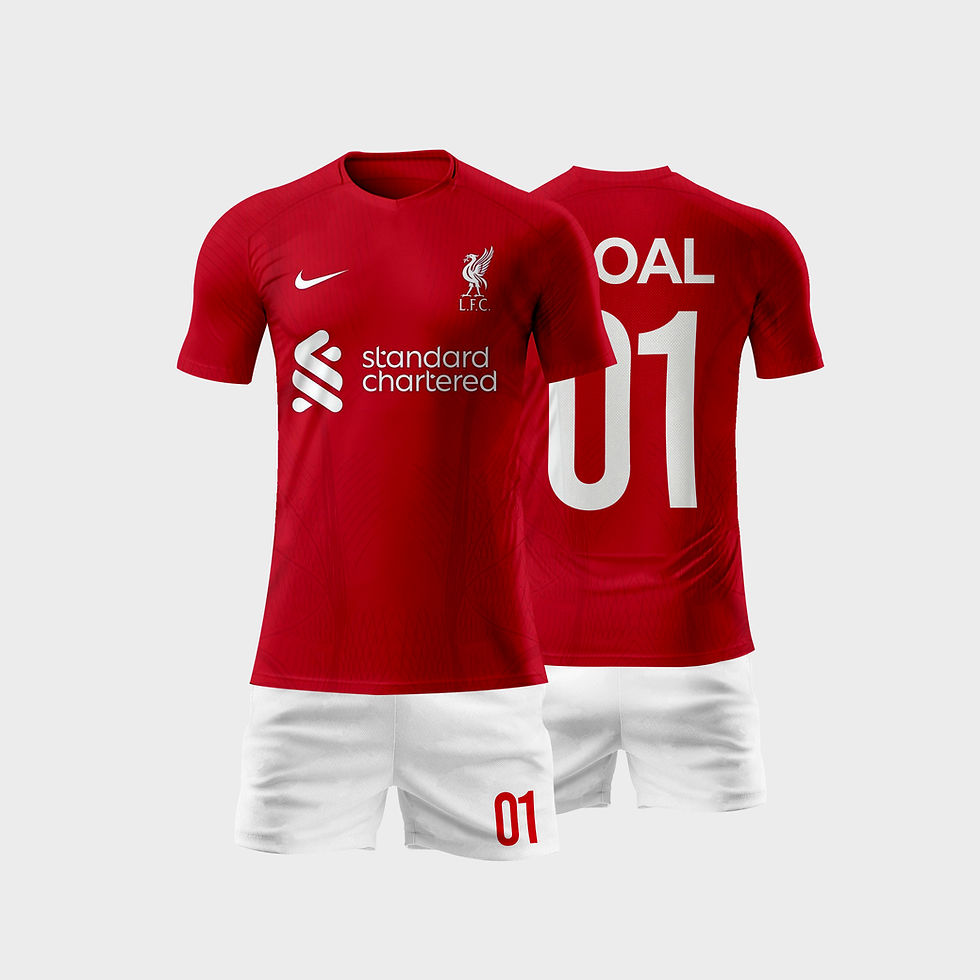
Where the design sits on the shirt affects how it's perceived. The most common placements are:
Center chest: Classic, versatile, works for most designs
Left chest (pocket area): Clean and subtle—ideal for logos or small emblems
Full back: Great for larger artwork, event names, or sponsor lists
Sleeve or collar area: Used as a secondary detail, not the main design
For community groups, the center chest or full-back placement tends to create the strongest visual impact, especially in group photos or at events.
What T-Shirt Fabric and Quality Should You Choose?
The design is only half the equation. A beautiful print on a flimsy shirt will disappoint people the first time they wash it.
When ordering from a T-shirt printing company in Kinshasa, ask about:
Fabric weight: Heavier cotton (180–220 GSM) holds its shape and lasts longer
Print method: Screen printing offers durability for bulk orders; DTG (direct-to-garment) printing suits smaller runs with complex designs
Colorfastness: Will the colors stay vibrant after 20 washes? Ask for samples if possible
Sizing range: Make sure the shirt fits your community's full demographic
U-Tech Africa offers a range of fabric and printing options for customized T-shirt printing in Kinshasa, ensuring you get a quality product that your community will actually want to wear.
How Many Shirts Should You Order, and How Do You Manage Sizing?
Over-ordering leaves you with boxes of unclaimed shirts. Under-ordering means late arrivals miss out.
A practical approach:
Collect pre-orders before finalizing quantities—this eliminates waste
Add a 10% buffer for unexpected demand or sizing errors
Use a simple size chart when collecting orders (XS through 3XL at minimum)
Account for unisex vs. fitted cuts, as sizing expectations differ
For events with 50 or more attendees, ordering in bulk from a T-shirt printing service in Kinshasa like U-Tech Africa typically reduces the per-unit cost significantly.
What Are the Most Common Mistakes to Avoid When Designing Community T-Shirts?
Even well-intentioned designs can fall flat. Watch out for these pitfalls:
Too much information: Trying to say everything means communicating nothing
Low-resolution artwork: Pixelated files produce blurry prints—always use vector files or high-resolution images (300 DPI minimum)
Skipping a proof: Always request a print proof or digital mockup before full production
Ignoring community input: Designing in isolation often results in something that feels generic
Choosing price over quality: Cheap prints that crack or fade after a few washes reflect poorly on your community brand
From Vision to Wearable: Working With a T-Shirt Printing Partner in Kinshasa
Finding the right printing partner makes the entire process smoother. A reliable T-shirt printing company in Kinshasa should offer:
Design consultation and file preparation support
Clear pricing for bulk and small orders
Sample or proof options before full production
Defined turnaround times
Multiple printing techniques to suit different design styles
U-Tech Africa provides end-to-end customized T-shirt printing services in Kinshasa—from helping you refine your design concept to delivering finished shirts that meet your quality expectations. Working with a local partner also means faster communication, easier revisions, and the ability to see samples in person before committing to a full order.
Building Community, One Shirt at a Time
A t-shirt is a small thing. But what it represents can be enormous. When your community wears the same design, it creates a shared identity that extends beyond the event, the campaign, or the cause it was created for.
The process of designing one—gathering input, choosing imagery, selecting colors, finding a trusted printer—is itself an act of community-building. Done thoughtfully, the end result is something people hold onto. Something they pull out of the drawer years later and remember.
Start with your community's story. Work with a printing partner who understands your vision. And don't rush the design process—the extra time spent upfront shows in the final product.
Ready to get started? Reach out to U-Tech Africa for customized T-shirt printing in Kinshasa and bring your community's identity to life.
Frequently Asked Questions
How much does customized T-shirt printing in Kinshasa cost?
Pricing depends on the quantity ordered, the number of print colors, and the printing method used. Bulk orders generally lower the per-unit cost. U-Tech Africa provides quotes based on your specific requirements—contact them directly for an accurate estimate.
What file format should I submit for T-shirt printing?
Vector files (AI, EPS, or PDF) are ideal for clean, scalable prints. If using raster images (JPG or PNG), ensure the resolution is at least 300 DPI at the intended print size. Submitting low-resolution files is one of the most common causes of blurry or pixelated prints.
How long does T-shirt printing take in Kinshasa?
Turnaround times vary by order size and complexity. Small runs may be completed in a few days, while large bulk orders may take one to two weeks. Always confirm timelines with your printing partner before placing your order, especially for time-sensitive events.
Can I order a sample before committing to a full print run?
Yes, and it's strongly recommended. Requesting a physical sample or detailed digital mockup before approving full production helps you catch any color, sizing, or design issues before they're multiplied across your entire order.
What's the minimum order quantity for community T-shirt printing?
Minimum order quantities vary by printing method and provider. Screen printing typically requires higher minimums (often 20–50 units) to be cost-effective, while DTG printing may accommodate smaller runs. Check with U-Tech Africa for their specific minimums.
What information do I need to provide when placing a T-shirt printing order?
You'll typically need to provide your design file, preferred shirt color and fabric, size breakdown, desired print placement, and delivery timeline. The more detail you provide upfront, the smoother the production process will be.


Comments